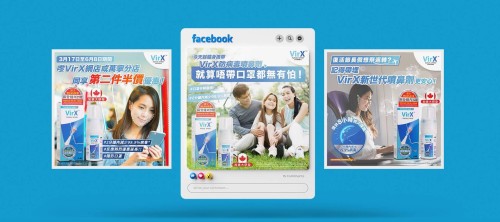







Marketing
Our team of experienced marketing professionals will work closely with you to understand your unique business goals and develop customized marketing solutions that deliver tangible results. Let us help you take your business to the next level. Our marketing services are designed to help you reach your target audience effectively and drive results. We offer a comprehensive range of services, including:
AI Video and Image Production
Redefine Reality with AI-Powered Visual Production
At YSD, we bridge the gap between imagination and reality with our cutting-edge AI Video Production services. We leverage advanced Generative AI technology to create stunning, hyper-realistic, and stylistically unique visual assets that go far beyond what traditional photography can achieve.
Our approach combines professional art direction with expert prompt engineering to deliver high-resolution AI video production tailored specifically to your brand identity—faster and more efficiently than ever before.
How YSD Transforms Your Vision:
Limitless Creative Freedom: Whether you need a futuristic cityscape or a surreal product showcase, our AI video production generates visuals that transcend the constraints of physical filming.
Rapid Turnaround & Efficiency: Skip the lengthy process of casting and set building. We move from concept to final visual asset in a fraction of the time.
Cost-Effective High Production Value: Achieve "big budget" cinematic looks without the expensive equipment rentals or crew fees.
Seamless Brand Integration: We ensure every AI-generated element aligns perfectly with your existing brand guidelines and color palettes.
Digital Marketing
Digital Marketing is the promotion of products or services using digital channels, such as the internet, mobile devices, social media, search engines, and email. It's a broad field that encompasses various tactics aimed at reaching and engaging your target audience online.
Key components of digital marketing include:
- Google Ads: Google Banner Ad, GDN, Responsive Ads, Keywords Search Ad, Google Shopping Ads, Youtube Ads
- Search Engine Optimization (SEO): Improving a website's visibility in search engine results pages (SERPs) like Google.
- Pay-Per-Click (PPC) Advertising: Paid advertising on search engines, social media, and other platforms.
- Content Marketing: Creating and sharing valuable content to attract and engage your audience.
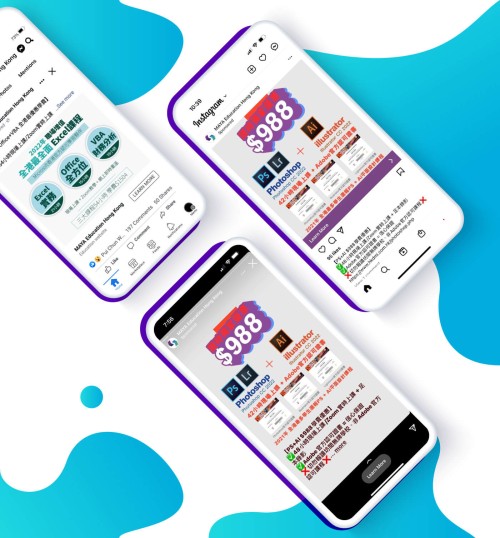
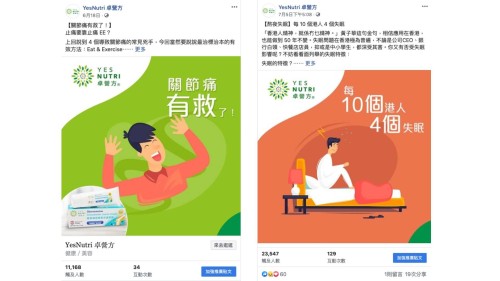
- Social Media Marketing: Promoting your brand on social media platforms like Facebook, Instagram, and Twitter.
- Email Marketing: Sending targeted emails to nurture leads and build relationships.
- Mobile Marketing: Optimizing your marketing efforts for mobile devices.
- Video Marketing: Using videos to capture attention and convey messages.
- Influencer Marketing: Partnering with influencers to reach a wider audience.
Benefits of digital marketing:
- Measurability: Track and analyze the effectiveness of your campaigns.
- Cost-effectiveness: Reach a large audience at a relatively low cost.
- Target audience: Reach specific demographics and interests.
- Flexibility: Easily adapt your campaigns based on performance.
- Real-time engagement: Interact with customers in real-time.
Digital marketing is a constantly evolving field, and staying up-to-date with the latest trends and technologies is essential for success.
Branding
Branding is the process of creating a unique identity for a product, service, or company. It involves developing a strong and consistent brand image that resonates with your target audience.
Key components of branding include:
- Brand name: A memorable and distinctive name that reflects your brand's essence.
- Logo: A visual symbol that represents your brand and is easily recognizable.
- Brand messaging: Clear and consistent messaging that communicates your brand's values and benefits.
- Brand personality: The unique character or personality that your brand embodies.
- Brand experience: The overall impression customers have of your brand, from their initial interaction to their ongoing relationship.
Effective branding can:
- Increase brand awareness: Make your brand more recognizable and memorable.
- Build customer loyalty: Foster strong relationships with your customers.
- Differentiate your brand: Set your brand apart from competitors.
- Command a premium price: Justify higher prices due to the perceived value of your brand.
- Attract top talent: Attract employees who align with your brand's values.
To create a strong brand, it's important to:
- Understand your target audience: Know who you're trying to reach and what they want.
- Define your brand's unique selling proposition (USP): Identify what sets your brand apart from others.
- Develop a consistent brand identity: Ensure all elements of your brand, from your logo to your messaging, are cohesive.
- Deliver on your brand promise: Make sure your brand's actions align with its messaging.
- Monitor and adapt: Continuously evaluate your brand and make adjustments as needed.
Public Relations
Public Relations (PR) is the strategic communication process that builds and maintains mutually beneficial relationships between an organization and its publics. It involves managing the perception of an organization and its activities in the public eye.
Key goals of PR include:
- Building brand reputation: Enhancing the public's perception of an organization's image and values.
- Crisis management: Effectively responding to negative events or crises to minimize damage.
- Media relations: Cultivating positive relationships with journalists and media outlets.
- Internal communications: Fostering strong relationships and communication within an organization.
- Community relations: Building positive relationships with the communities where an organization operates.
PR tactics and strategies often include:
- Media outreach: Pitching stories to journalists and media outlets.
- Press releases: Issuing official statements to the media.
- Media training: Preparing spokespeople for media interviews.
- Events and activations: Organizing events and activities to engage with stakeholders.
- Social media: Utilizing social media platforms to connect with audiences.
- Influencer marketing: Collaborating with influencers to reach target audiences.
- Crisis communication planning: Developing strategies to address potential crises.
Effective PR can help an organization:
- Increase brand awareness: Make the organization more visible and recognizable.
- Build trust: Establish credibility and trust with stakeholders.
- Improve reputation: Enhance the organization's image and reputation.
- Drive business: Generate leads and sales through positive public perception.
- Mitigate crises: Effectively manage negative events and minimize damage.
By understanding the principles and strategies of PR, organizations can build strong relationships with their publics, manage their reputation effectively, and achieve their business goals.
Market Research
Market Research is the systematic gathering, recording, and analysis of data about a specific market or market segment. It's a crucial process for businesses to understand their customers, competitors, and the overall market trends.
Key objectives of market research:
- Identify market opportunities: Discover new market segments or growth areas.
- Understand customer needs and preferences: Gain insights into customer behavior, motivations, and pain points.
- Evaluate market trends: Analyze industry trends and competitive landscapes.
- Assess market size and potential: Estimate the size and growth potential of a market.
- Optimize marketing strategies: Develop effective marketing campaigns based on market research findings.
Common market research methods:
- Surveys: Collecting data through questionnaires or interviews.
- Focus groups: Conducting group discussions to gather in-depth insights.
- Interviews: One-on-one interviews to explore specific topics or issues.
- Observations: Observing customer behavior in real-world settings.
- Secondary research: Analyzing existing data from sources like government reports, industry publications, and market research firms.
Market research can provide valuable information to businesses, helping them make informed decisions about product development, marketing strategies, pricing, and resource allocation.
Outdoor Advertising
Reaching Audiences in the Real World
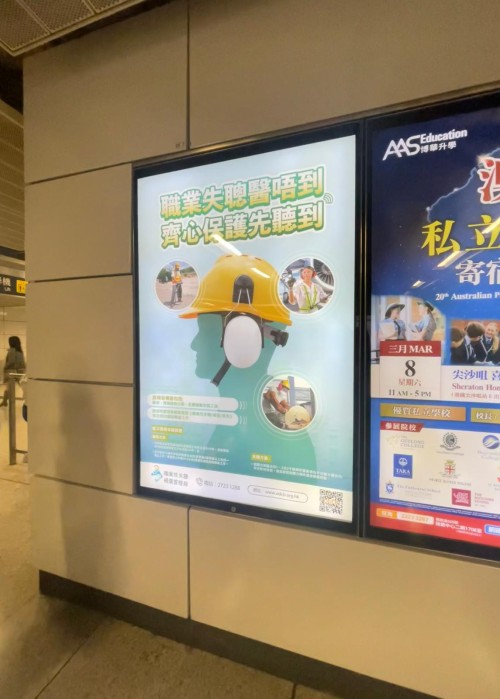
Outdoor advertising is a powerful way to reach a wide audience in high-traffic locations. Whether you're looking to increase brand awareness, drive store traffic, or promote a specific product or service, outdoor advertising can be an effective tool.
Common types of outdoor advertising include:
- Billboards: Large, static displays that can be highly visible in busy areas.
- Bus shelters: Advertisements placed on bus shelters, targeting commuters and pedestrians.
- Street furniture: Ads on benches, trash cans, and other public fixtures.
- Vehicle wraps: Full-body advertisements on vehicles, such as buses, taxis, or delivery trucks.
- Wraparound ads: Advertisements on the sides of buildings or other structures.
- Digital billboards: Electronic billboards that can display dynamic content, including video and animation.